Keeping up with the demands of running a business today means working smarter, not harder. Business automation handles time-consuming tasks, freeing you to focus on strategic growth and innovation. Want to understand how it works and why it’s essential for your success? Read on to discover how automation can transform your business.
Running a business today is more challenging than ever. Customers expect faster responses, and the bar is constantly being raised for the quick delivery of products and services. On top of that, staying ahead of the competition requires constant innovation. With so many tasks demanding your attention and energy, it’s easy to get overwhelmed. This is why business automation is becoming essential—it helps simplify operations, improve efficiency, and gives companies more space to focus on growth.
Automation helps by handling repetitive tasks like sending emails, managing inventory, or scheduling appointments. Taking care of these routine responsibilities frees up valuable time so you can focus on more important matters. Plus, automation can also improve accuracy and consistency, reducing human error and ensuring customers receive timely and relevant communication. These advantages make automation not just a nice-to-have—they establish it as an essential strategy for businesses that want to scale without reducing quality or effectiveness.
If you’re wondering what business automation really means and how it works, you’re in the right place. Understanding this can open the door to transforming your business operations and increasing productivity. Let’s start by breaking down the basics of business automation.

What is Business Automation?
Business automation is the process of using technology to handle repetitive tasks so you and your team don’t have to do them manually. These are usually everyday actions like sending emails, following up with leads, posting on social media, or updating customer records. With the right tools and systems, these tasks can be streamlined or fully automated, allowing a business to operate more smoothly and efficiently, while also minimizing the likelihood of errors.
Instead of spending hours managing small details, automation tools can do the work in the background. This means you get more time to focus on the things that actually grow your business—like serving customers, launching new offers, or improving your product. From marketing to sales and even customer support, business automation can be applied across almost every area of operations, including HR, finance, and inventory management.
It’s also important to know that automation isn’t just for big companies. Smaller businesses and individual entrepreneurs can greatly benefit from it as well. It acts as a great equalizer, providing the tools needed to maintain consistency, ensure timely follow-ups, and run a more organized operation. Automation is one of the most straightforward ways to save time and expand your reach—without needing a large team or a massive budget.
Why Business Automation Matters More Than Ever
Whether you’re running a lean startup or managing a growing enterprise, the ability to move fast, stay efficient, and deliver consistently is critical. Business automation helps companies do exactly that. It solves real-world problems that leaders face every day—like rising workloads, remote team coordination, fierce competition, and demanding customers. Here’s how:
Rising Operational Demands
Businesses are under pressure to deliver more in less time—and often with smaller teams. Automation lightens the load by handling repetitive tasks such as data entry, scheduling, and basic communications. This reduces bottlenecks and human error, so your team can focus on higher-value work. With the right tools, companies can scale operations smoothly without burning out their staff.
Remote & Hybrid Workforces
Remote and hybrid work are here to stay, but they bring challenges in coordination and accountability. Automation bridges those gaps with systems that assign tasks, track progress, and keep workflows moving—even across time zones. It creates structure without micromanagement, allowing distributed teams to stay aligned and productive.
Increased Competition
In a competitive landscape, success comes down to how fast and how smart a business can move. Automation enhances internal workflows and speeds up decision-making by providing up-to-the-minute insights. It also frees up time and resources, allowing teams to focus on innovation, customer service, and marketing—empowering businesses with the flexibility to lead.
Customer Expectations
Today’s customers expect fast, personalized, and seamless experiences. Automation helps you deliver all three. Tools like chatbots, automated emails, and smart CRMs ensure timely responses and relevant interactions at every stage of the customer journey. The result? Happier customers, fewer errors, and stronger long-term relationships.
Business automation is no longer a competitive edge—it’s the foundation of a scalable, resilient company. It empowers your team, improves your customer experience, and creates the space you need to focus on growth. In the next section, we’ll look at how automation actually works and where you can apply it in your business.

How Business Automation Works
Business automation might seem technical at first, but it doesn’t have to be complicated. At its core, it’s all about letting systems handle repetitive tasks so you don’t have to. From sending follow-up emails to moving leads through a sales funnel, automation helps everything run smoother—and faster. Let’s walk through how it works behind the scenes and why it’s becoming such a valuable tool for modern businesses.
The Basics: Rules, Triggers, and Workflows
Automation is built on three simple parts: rules, triggers, and workflows. You set the rules (what should happen), the system waits for a trigger (when it should happen), and then it runs the workflow (how it happens). For example, someone fills out a form on your site—that’s the trigger. The system then sends a personalized welcome email—that’s the workflow in action. Once it’s set up, it works automatically, without you needing to step in every time.
Tools That Make It All Happen
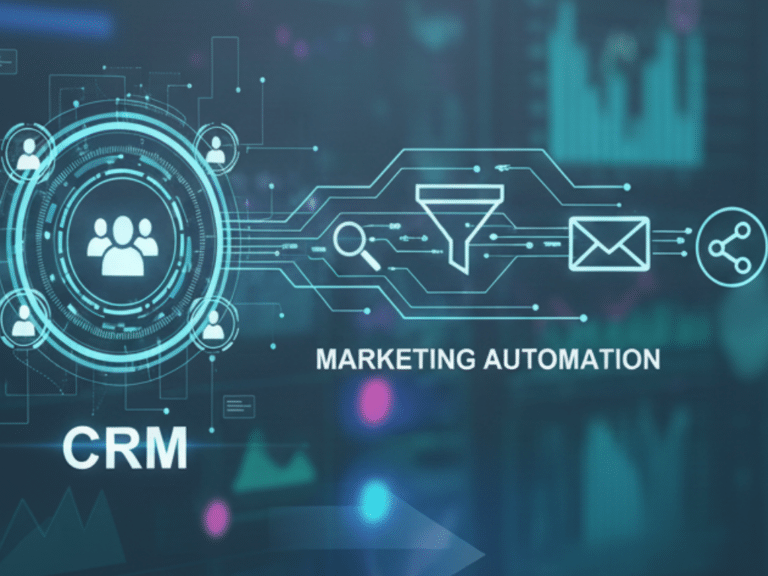
There are a few main types of tools that bring automation to life. A CRM (Customer Relationship Management) platform helps you track leads, manage contacts, and trigger actions based on user behavior. Then you have marketing automation tools, which handle things like email campaigns, social media scheduling, and lead scoring. On the operations side, workflow automation platforms make it easy to assign tasks, sync data across apps, and keep your team organized with less manual work.
Smarter Automation with AI
Now, automation is getting a serious upgrade with the help of AI-driven tools. These don’t just follow fixed rules—they learn and adjust based on data. AI-powered automation can personalize content, optimize timing, analyze customer behavior, and suggest next steps based on trends or engagement patterns. This is where an AI assistant comes in. It can help you decide the best time to send a message, suggest what to write, and even recommend next actions. This type of intelligent automation doesn’t just save time—it enhances performance and helps you make better decisions faster.
Whether you’re automating emails, managing customer relationships, or streamlining tasks, the goal is the same: to save time and get better results with less effort. And now that AI is part of the picture, automation is becoming more intuitive and even more powerful.
Once you understand how it all works together, it’s easier to see where automation can fit into your business. From here, the next step is knowing exactly what benefits it can bring—and how to start using it in ways that actually move your business forward.
Key Benefits of Business Automation: Smarter Growth, Efficiency & Customer Experience
If you’re wondering what business automation can actually do for you, the answer is simple: it helps you run your business better. From saving time to improving customer service, automation handles the routine work so you can concentrate on growing your business. Here are the biggest ways it makes a difference.
Saves Time and Cuts Costs
Automation takes over repetitive, time-consuming tasks like invoicing, lead follow-ups, data entry, and scheduling. These are the kinds of tasks that slow teams down and often lead to human error. With automation, they’re done faster and more accurately—sometimes in just seconds.
This efficiency naturally lowers costs. When fewer hours are spent on manual work (and fixing mistakes), businesses can save on labor, reduce delays, and put more time into areas that actually drive revenue. It’s a smarter, leaner way to run operations—especially as you grow.
Boosts Productivity and Focus
By clearing low-value tasks off their plates, automation gives employees more time to focus on work that truly matters—like closing deals, developing strategies, or improving customer experience. This leads to better outcomes and helps your team perform at a higher level.
It also supports employee morale. When people aren’t bogged down by repetitive admin work, they tend to feel more engaged and motivated. That shift from “busy” to “productive” can make a real difference in both team energy and overall business results.
Improves Customer Experience (Day or Night)
Today’s customers expect quick, helpful, and consistent service—and automation helps deliver just that. From chatbots that answer FAQs instantly to automated emails and follow-ups, customers get the support they need without having to wait.
What’s more, automation works around the clock. Even outside of business hours, your systems can respond, route requests, or provide updates. This kind of always-on support builds trust and keeps your brand top of mind—even while you sleep.
Helps You Grow Without Hiring Too Fast
As your business scales, so do your tasks—but that doesn’t mean you need to double your team overnight. Automation allows you to handle more customers, manage more projects, and process more requests without overwhelming your current staff.
This kind of scalability is key to sustainable growth. Instead of rushing to hire, you can automate parts of the workload and give your team the breathing room to focus on delivering value, not just checking boxes.
Smarter Decisions with Real-Time Data
Many automation platforms come with built-in analytics and reporting. This allows you to quickly understand customer actions, track campaign results, and monitor overall operations—without the hassle of sorting through spreadsheets or waiting for scheduled updates.
With this real-time visibility, you can make better, faster decisions. Whether you’re adjusting a sales strategy or improving a customer journey, automation gives you the data to act with confidence—and stay one step ahead of the curve.
Business automation isn’t just about doing things faster—it’s about doing them better. Whether you’re trying to grow your business, support your team, or create a great customer experience, automation helps you get there with less stress and more results.

Types of Business Automation That Deliver the Biggest ROI
If you’re thinking about investing in automation, it makes sense to start where it matters most—where you’ll see the biggest return. The good news? Automation can be applied to many areas of your business, and when done right, it can save time, reduce costs, and improve both team and customer experience.
Here are some of the most effective types of business automation that consistently deliver strong results:
Marketing Automation
Marketing automation uses software to manage marketing tasks more efficiently. It helps automate things like email campaigns, social media posts, and lead generation. This means your audience receives the right message at the right time—without someone needing to hit send every time.
As a result, businesses can engage leads consistently, guide them through the sales funnel, and increase conversion rates. This leads to more qualified leads, stronger relationships, and ultimately, better sales performance.
eCommerce Automation
eCommerce automation simplifies everyday online store tasks like order processing, inventory updates, and customer notifications. These processes can run in the background so teams can focus on growing the business.
It also reduces errors and speeds up fulfillment, which improves customer satisfaction. Plus, it scales easily as your store grows, helping you manage more orders without increasing your workload—leading to more profit and better ROI.
Customer Relationship Management (CRM) Automation
CRM automation helps businesses manage customer data and interactions more easily. It can log emails, schedule follow-ups, and remind your team of key touchpoints—all without manual effort.
This leads to more personalized service and stronger customer relationships. When customers feel seen and remembered, they’re more likely to stay loyal and buy again, directly boosting long-term revenue.
Workflow Automation
Workflow automation focuses on streamlining internal processes like approvals, data entry, and document sharing. These automations ensure tasks are completed faster, more accurately, and with fewer interruptions.
By freeing up employees from repetitive admin work, they can focus on higher-impact tasks. This leads to smoother day-to-day operations and helps your team work more efficiently.
Customer Support Automation
Customer support automation includes things like chatbots, help desk ticketing, and automated replies. These tools help answer common questions instantly and route more complex issues to the right person.
This reduces response times, improves the customer experience, and lets support teams handle higher volumes without burning out. Happier customers mean more repeat business—and more ROI.
Inventory Management Automation
Inventory automation tracks stock levels, orders, and deliveries in real time. It helps avoid running out of products—or having too much sitting on shelves.
This leads to fewer delays, lower costs, and better cash flow. With automation, you can keep your inventory balanced and your customers happy.
Each type of automation tackles a different part of your business, but they all work toward the same goal: helping you do more with less. By automating key processes, you save time, reduce costs, and deliver a better experience—for both your team and your customers.
Start with the areas where you see the most time being spent or where mistakes are common. Even a small change can lead to big results when it’s automated the right way.
Common Misconceptions About Business Automation
As more companies explore automation to improve efficiency and reduce costs, some persistent myths continue to create confusion. These misconceptions can lead to fear, resistance, or unrealistic expectations—making it harder for businesses to implement automation effectively.
Here are some of the most common misunderstandings about business automation, and what’s actually true.
Automation Will Replace All Jobs
A common misconception is that automation will replace all jobs, leading to mass unemployment. While automation does take over repetitive and mundane tasks, it actually frees employees to focus on more strategic and creative work.
Rather than eliminating jobs entirely, automation shifts how work is done. It often complements human skills, creating new roles and opportunities that didn’t exist before.
Automation Is Only for Big Companies
Another myth is that only large companies with big budgets can benefit from automation. In reality, small and medium-sized businesses can also leverage automation tools to improve efficiency and reduce manual work.
Many modern automation platforms are affordable, scalable, and designed with smaller teams in mind, making automation an investment accessible to businesses of all sizes.
It’s Complicated and Takes Too Long to Implement
People often think that setting up automation is a complex and lengthy process. While some systems do require planning, many tools today are built to be user-friendly and quick to implement.
These tools often come with step-by-step onboarding, templates, and customer support, helping businesses get started faster than expected. In most cases, the fear of complexity is greater than the actual learning curve.
Automation Is Just About Robots or AI and Means Loss of Control
Many people think automation strictly involves robots or AI, leading to a fear of losing control over business processes. In reality, automation covers a wide range of software and tools—like email scheduling, task management, and data syncing.
Rather than taking control away, automation often improves oversight by giving businesses clear visibility into tasks, timelines, and performance metrics.
Automation Will Solve All Business Problems
Some believe that implementing automation will be a catch-all solution to every business challenge. While automation helps solve specific inefficiencies, it’s not a magic fix.
It’s important to take a strategic approach when deciding where automation fits best and how it aligns with broader business objectives. When used alongside other tools and tactics, it becomes a valuable component of success—though not a standalone fix.
Business automation is a valuable tool, but it’s important to approach it with a clear understanding. By debunking these common myths, you can make more informed decisions and create automation strategies that actually work. When used the right way, automation doesn’t take over your business—it helps you run it better.

How to Get Started with Business Automation
Business automation is no longer just a nice-to-have—it’s quickly becoming essential for companies that want to work smarter, not harder. By using technology to automate routine tasks, businesses can reduce operational costs, improve efficiency, and shift more focus to strategic work.
The good news? Getting started with automation isn’t as technical or overwhelming as it might seem—especially when you take it step by step.
Identify Repetitive Tasks
The first step is to pinpoint tasks that occur regularly in your business operations. These are usually activities that are manual, time-consuming, and don’t involve complex decision-making. Think about data entry, invoice processing, or customer service responses that follow a standard protocol. Spotting these tasks helps you identify where automation can make the biggest impact.
Set Clear Goals
Before diving into automation, it’s crucial to establish what you aim to achieve. Are you looking to save time, cut costs, or improve accuracy? Defining your goals upfront will help shape your automation strategy and allow you to measure success later. With clear objectives, you’ll also be more likely to choose the right tools and processes that align with your business needs.
Choose the Right Tools
Selecting the appropriate automation tools that suit your business size and needs is vital. Numerous automation software options are available, each catering to different aspects of business operations. Take time to explore your options or seek expert advice to choose tools that work well with your current setup and can grow with your business. The right solution ensures a smoother transition and delivers benefits more quickly.
Start Small
Start by automating just a few processes to keep things simple. This lets you explore what works, learn from early results, and avoid putting too much pressure on your team upfront. It also gives you time to make adjustments and troubleshoot any issues early on. Starting small minimizes risks and builds momentum as you continue your automation journey.
Train Your Team
It’s essential to get your team on board with the new automation processes. Offer training so your team knows how to use the new technology and understands their responsibilities within the new setup. Open communication and clear guidance help ease the transition. A well-informed team plays a key role in the success of automation.
Monitor and Measure Results
Once your automated processes are up and running, regularly monitor them to see if they’re delivering the expected results. Track key metrics based on your initial goals, such as time saved, error reduction, or cost savings. Analyzing these results will highlight what’s working and where further improvements can be made.
Scale Up Gradually
Once you’ve seen positive results from smaller automation efforts, begin rolling them out to other parts of your business. Apply what you’ve learned to improve workflows and reduce potential problems in future implementations. Scaling up at a steady pace helps ensure long-term success and maximizes the benefits of business automation over time.
Getting started with business automation doesn’t mean overhauling everything overnight. It’s about making smart, manageable changes that save time and improve your workflow. By starting small, setting clear goals, and involving your team, you’ll set your business up for greater efficiency and long-term growth.
How AI Assistants Make Business Automation Even Smarter
Business automation is evolving—and AI assistants are leading that transformation. While traditional automation focuses on repeating tasks based on rules, AI adds intelligence, flexibility, and learning capabilities. This allows businesses to handle complex processes more efficiently, with fewer errors and better outcomes.
AI assistants are changing the way businesses use automation. Instead of just following simple rules, these smart helpers can understand context and adjust to real-world situations. This means business automation becomes more flexible and efficient. Tasks get done faster and with less chance of mistakes.
Another great benefit is how AI assistants handle customer interactions. They can answer questions, solve problems, and even learn from each conversation. This helps companies save time while improving customer satisfaction. Plus, AI can analyze data to spot patterns and suggest more effective automation strategies. This makes the whole system smarter over time.
Business automation powered by AI also frees up employees to focus on more important work. Instead of spending hours on repetitive tasks, people can be more creative and solve bigger problems. This shift boosts productivity and helps companies grow. Because AI assistants work around the clock, businesses stay productive even outside regular hours.
Overall, AI assistants add a new level of intelligence to business automation. They make workflows smoother and decisions faster. This helps companies stay competitive and meet customer needs better. As AI technology keeps improving, business automation will become even more powerful and essential for growth.
Choosing nerDigital as Part of a Smarter Business Automation Strategy
If you’re looking to get the most out of business automation, choosing the right platform is key. Not all automation tools are made equal, and picking the wrong one can hold your business back. That’s why it’s worth considering nerDigital—a platform built not just to automate tasks, but to help you grow smarter and faster.
Business automation has quickly become one of the most valuable tools for companies looking to save time, reduce errors, and improve overall efficiency. But not all automation platforms are built the same. Choosing the right one can make a big difference—not just in how you manage your daily tasks, but in how your business grows long-term. That’s where nerDigital becomes part of the conversation.
nerDigital focuses on automation that goes beyond surface-level shortcuts. It’s built to keep your operations running smoothly around the clock with systems that do the heavy lifting for you. Whether you’re confirming customer registrations, sending out reminders, or nurturing leads through email and SMS sequences, nerDigital takes care of it all in the background. No more missed follow-ups or manual messaging—just smooth, reliable automation.
Here’s why nerDigital stands out as part of a smarter business automation strategy:
Ready-to-Use Automated Workflows
Instead of building everything from scratch, nerDigital gives you access to a library of proven, pre-written workflows. These include email and SMS templates for everything from onboarding to post-event follow-ups—saving time and removing guesswork.
Hands-Free Lead Engagement
The platform also features smart chatbots that interact with leads as soon as they show interest. This means no more delays in response times, and your potential customers stay engaged from the very start.
Consistent Communication at Scale
Automation helps you maintain consistent, professional communication without constant oversight. Messages go out when they’re supposed to, to the right people, every time.
Around-the-Clock Operations
With nerDigital’s automation tools, your business doesn’t stop when the workday ends. Tasks continue running in the background—24/7—so you stay connected and productive at all times.
With nerDigital, you’re not just getting tools; you’re getting a solution that keeps your operations efficient, your communication consistent, and your team focused on what matters most. If you’re serious about leveling up your business automation, nerDigital is worth a closer look.
Frequently Asked Questions
To help you better understand business automation and how it can impact your company, we’ve compiled answers to some of the most common questions. Whether you’re new to automation or looking to optimize your current systems, these FAQs cover key points to guide you.
Why is business automation important for companies today?
Business automation plays a key role in boosting efficiency, helping companies perform tasks more quickly and accurately. By taking repetitive work off the table, it allows teams to concentrate on strategic initiatives that benefit from human insight and creativity.
Moreover, automation provides greater data accuracy and visibility, aiding in more informed decisions. Ultimately, it gives companies a competitive advantage by reducing costs and improving customer satisfaction.
What types of tasks can be automated in a business?
Many types of tasks are suitable for automation, such as routine admin work, entering data, managing invoices, scheduling, and tracking inventory. Automation can also improve customer support through tools like chatbots and auto-responses. In marketing, activities like email blasts and social media updates can be handled more efficiently through automation.
Essentially, any task that is routine, rule-based, and doesn’t require high-level judgment is a good candidate for automation.
How does business automation save time and reduce costs?
Automation saves time by completing tasks faster than humans and by eliminating delays associated with manual processes. It reduces costs by decreasing the need for extensive labor and lowering the chances of errors and the expenses related to fixing them.
Also, automation optimizes resource allocation, enabling businesses to reinvest saved time and money into growth opportunities. Improved operational efficiency leads to cost savings across multiple areas.
How do I know which processes in my business should be automated?
Look for tasks that are done frequently, take up a lot of time, and are likely to result in mistakes—these are ideal areas to automate. Processes with clear, predictable steps can also be automated effectively. Additionally, consider automating functions that improve customer experience or internal efficiency.
Reviewing the potential time and cost savings will help you decide where automation will have the biggest impact.
Is business automation only for large companies?
No, business automation is valuable for companies of all sizes, including small and medium businesses. Many automation tools are cost-effective, flexible, and adaptable to various business sizes and budgets. For small businesses, automation can unlock valuable time and resources, helping them stay competitive in their industry.
How does artificial intelligence fit into business automation?
Artificial intelligence (AI) enhances business automation by making systems smarter and more adaptable. AI is capable of managing advanced functions such as understanding human language and forecasting future trends. As it processes more data, AI-driven automation continuously improves its accuracy and decision-making, resulting in more tailored customer interactions and more efficient use of resources.
How long does it typically take to implement automation in a business?
The time required to implement automation depends on the complexity of the task and the tools chosen. Simple automations can be set up in a few weeks, while larger, more customized solutions might take several months. Planning, testing, and team training can also impact the timeline. Working with experienced providers helps ensure a smoother and faster rollout.
How can business automation improve sales processes?
Automated tools can support lead generation, follow-ups, and sales tracking, making the sales process more efficient. Automation also helps personalize communication, which increases engagement and improves conversion rates. With better data insights, sales teams can focus on the most promising leads and close more deals—leading to higher revenue and performance.
Will automation replace human workers?
Automation is designed to support human workers, not replace them. While it takes over repetitive or low-value tasks, it frees employees to focus on more meaningful work that requires strategy, problem-solving, and creativity. In many cases, automation leads to job evolution, where teams are upskilled to manage and improve automated systems—opening the door to new opportunities.
Final Thoughts
If you’re thinking about automating parts of your business, nerDigital is designed to make that transition simple and effective. It’s not about adding more tools to your plate—it’s about making the ones you already use work smarter. With features like automated workflows, lead nurturing, and 24/7 task management, nerDigital supports businesses that want to run smoother without putting more pressure on their teams.
The truth is, business automation is no longer something to “think about later.” It matters right now. Markets are moving faster. Customers expect quicker responses. And teams need more time to focus on big-picture work—not on sending reminders or chasing leads. That’s why automation has become such a powerful advantage.
Rather than spending time on manual tasks, automation handles repetitive work behind the scenes. This leads to reduced mistakes, improved consistency, and more time to concentrate on activities that focus on what drives real growth. And because the right automation tools adjust to your business—not the other way around—you don’t need to be a tech expert to get started.
So if you’re serious about saving time, staying organized, and moving faster, automation is the way forward. With nerDigital, you’re not just automating tasks—you’re building a smarter, more efficient business. Ready to take that step? Now’s the time.