
Ever wondered what is brand development and why it matters for your business? It’s more than just having a nice logo or catchy slogan—it’s about building a clear and consistent identity that your audience can trust. From your brand’s look and feel to the way you communicate and deliver value, every part plays a role in shaping how people see you. If you’re just starting out or thinking about refreshing your brand, keep reading—this guide breaks it all down in a simple way.
Brand development is an essential aspect of building a successful business, but what exactly does it entail? It’s not just a flashy logo or clever marketing campaign. In fact, brand development is a complex process that involves a carefully crafted strategy to create a strong and recognizable brand identity. That’s why if you’re new to the world of entrepreneurship or marketing, understanding what is brand development can be overwhelming. However, mastering this is crucial for establishing a strong and memorable brand identity.
In today’s highly competitive market, standing out from the crowd is the key for businesses to thrive. This is where brand development comes into play. It is a strategic process that includes creating a unique brand image, voice, and personality that resonates with your target audience. From logos and slogans to customer experiences and brand values, every aspect contributes to developing a strong brand that people connect with.
If you are new to the concept of brand development, don’t worry. This beginner’s guide will efficiently walk you through the essentials of brand development, helping you understand its significance and providing valuable insights on getting started. Whether you are an aspiring entrepreneur or an established business owner looking to revamp your branding strategy, this guide will equip you with the knowledge and tools to effectively develop and grow your brand.
By the end of this article, you’ll have a solid foundation to build a successful brand that sets you apart from your competitors and resonates with your target audience. Let’s dive in!

What is Brand Development?
Essentially, brand development refers to the smart process of creating and establishing a strong brand identity for a product or company. It involves shaping the brand’s perception in the minds of consumers, building brand equity, and positioning the brand in a way that distinguishes it from competitors.
At its core, brand development is about cultivating a unique and consistent image, voice, and personality that resonates with the target audience. It encompasses elements such as the brand’s logo, tagline, colors, typography, and overall visual identity. These components should align with the brand’s values, mission, and target market.
Through brand development, businesses aim to differentiate themselves from their competitors, capture the attention and loyalty of customers, and ultimately drive sales and revenue. A strong brand helps create trust and credibility, making it easier for consumers to connect with the brand and make purchasing decisions.
Furthermore, brand development is an ongoing process that requires consistent monitoring and adaptation. It involves engaging with customers, seeking feedback, and continuously improving the brand’s offerings and communication strategies. Over time, a well-developed brand can establish strong brand loyalty, advocacy, and a positive brand reputation, leading to long-term success and growth.
By consistently delivering on your brand promises and remaining true to your brand identity, you can build a strong brand that connects with your target audience and drives business success.
Role of Brand Development in Shaping Customer Perceptions
When done effectively, brand development plays a pivotal role in shaping the way customers perceive and interact with a brand. It has the power to influence their emotions, attitudes, and purchasing decisions. Here’s how brand development influences customer perceptions:
- Differentiation: Brand development helps distinguish a business from its competitors. By crafting a unique brand identity, businesses can stand out in a saturated market and attract potential customers who resonate with their values and offerings. This differentiation creates a perception of exclusivity and quality, making customers more likely to choose a particular brand over others.
- Trust and Credibility: Consistent brand development efforts build customer trust and credibility. When a brand consistently lives up to its promises, customers perceive its reliability and authenticity positively. This perception leads to higher customer loyalty and advocacy, as customers feel confident recommending the brand to others.
- Emotional Connection: Brand development goes beyond just selling products or services. It aims to build an emotional connection with customers. By understanding their aspirations, core values, and desires, brands can align their messaging and visual identity to evoke specific emotions. This emotional connection shapes customer perceptions, making them associate positive feelings with the brand and fostering a long-term relationship.
- Brand Associations: Through brand development, businesses can establish associations with certain qualities or attributes. For instance, a brand that focuses on sustainability and eco-friendly practices develops an association with being environmentally conscious. These associations shape customer perceptions, influencing their decision-making process and making them more likely to choose a brand aligned with their values.
- Customer Experience: Brand development plays a crucial role in shaping the overall customer experience. A consistent and well-defined brand identity ensures that every customer interaction with the brand is aligned with its values, visuals, and messaging. This consistency forms a seamless and memorable experience that reinforces positive perceptions and encourages repeat business.
In essence, brand development is a powerful factor in shaping customer perceptions. By crafting a brand identity effectively, businesses can differentiate themselves, build trust and credibility, create emotional connections, establish associations, and deliver a consistent customer experience. These factors collectively influence how customers perceive and engage with a brand, ultimately driving its success in the marketplace.

How Brand Development Impacts Business Success
While some may think brand development is only about creating a logo or choosing a suitable color scheme, its impact goes far beyond aesthetics. Here are some ways brand development impacts business success.
- Customer loyalty: Building a strong brand encourages customer loyalty. Customers who feel connected to your brand and resonate with its values are more likely to become loyal advocates. These loyal customers not only continue to support your business but also recommend it to others, leading to customer acquisition and growth.
- Premium pricing: A well-established brand lets you charge a premium for your products and services. More often, customers are willing to pay more for a brand they trust and perceive as higher value. Brand recognition and reputation give your business the ability to command higher prices, leading to increased profit margins.
- Expanded reach: A strong brand can open doors to new opportunities and partnerships. With a recognizable brand, other businesses may be more inclined to collaborate or affiliate themselves with your brand. This can lead to increased exposure and access to new customer segments.
- Employee motivation and retention: A well-developed brand not only attracts customers but also inspires and motivates employees. A strong brand identity provides a clear sense of purpose and core values, which helps create a positive work culture. When employees believe in and feel connected to the brand, they are more likely to be engaged and committed, leading to increased productivity and employee retention.
- Business Expansion: A well-established brand provides a solid foundation for business expansion. Through brand development, businesses can explore new markets, introduce new products and services, and expand their customer base. A recognized and trusted brand gives businesses a head start and opens doors for growth opportunities.
Brand development is not just a superficial aspect of business but a strategic process that impacts its overall success. It is much more than just aesthetics because it impacts nearly every aspect of a business’s success. Thus, investing time and effort into brand development is a wise business strategy that can drive long-term success.
Additional Benefits of Brand Development
In addition to shaping customer perceptions and contributing to business success, brand development offers many additional benefits that can significantly impact a company’s performance and resilience in the marketplace. This section delves deeper into the diverse advantages of brand development, emphasizing its role in fostering customer loyalty, attracting top talent, providing a competitive edge, and creating collaboration opportunities.
- Support for Marketing and Advertising: A well-developed brand can simplify and make marketing efforts more effective. Consistent and clear brand messaging helps to communicate the company’s values and offerings to the target audience. It also makes advertising and promotional activities more impactful, resulting in better returns on marketing investment.
- Attraction of Top Talent: A strong brand can also be an asset in attracting top talent. Companies with a positive brand reputation are often seen as desirable employers, which can help recruit and retain skilled professionals.
- Resilience During Crises: A well-established brand with a positive reputation can often weather crises more effectively. Strong brand equity and customer loyalty can act as a buffer during challenging times, helping to maintain customer trust and support.
- Partnership and Collaboration Opportunities: A reputable brand can attract potential partners and collaborators, leading to opportunities for cooperative ventures, co-branding, and sponsorships. These partnerships can help expand the brand’s reach and influence.
- Flexibility and Adaptability: A well-developed brand can adapt to changing market conditions and customer preferences, allowing the business to evolve while maintaining its core identity and values.
- Investor Confidence and Financial Performance: A strong brand can positively impact the perception of investors and stakeholders. It can contribute to increased confidence in the company’s potential for growth and financial performance.
- Easier New Product Introductions: Established brands often find it easier to introduce new products or extend their product lines, as consumers are more likely to trust and try new offerings under a familiar and reputable brand name.
Overall, brand development is instrumental in shaping a business’s identity, positioning, and reputation in the market. It offers a range of benefits that can lead to increased customer loyalty, higher revenues, and a sustainable competitive advantage.
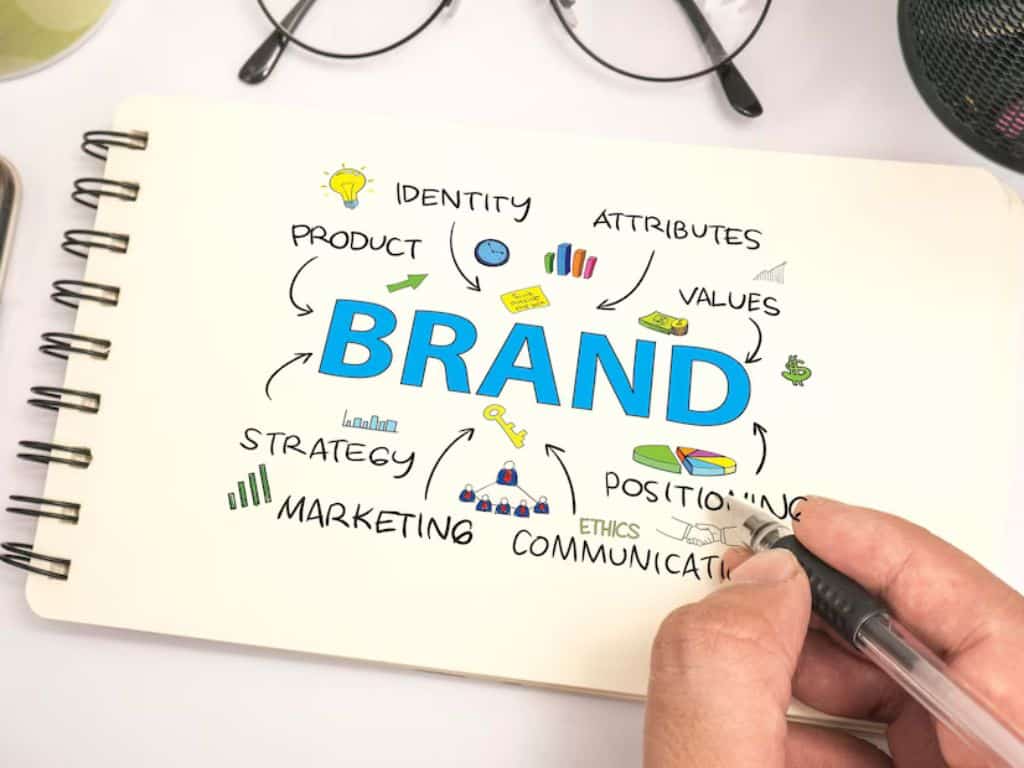
Key Elements of Brand Development
The key elements of brand development encompass the essential components that contribute to shaping and defining a brand’s identity, personality, and positioning. Understanding these elements is necessary for businesses aiming to establish a strong and resonant brand. Here are the key elements:
1. Brand Identity:
Brand identity represents a brand’s visual and tangible aspects, including its name, logo, colors, typography, and visual elements. A well-defined brand identity creates a distinctive and memorable impression, helping consumers recognize and connect with the brand. Consistency in the brand’s visual elements across various platforms is vital in fostering brand recognition and recall.
2. Brand Positioning:
Brand positioning means the place a brand occupies in the minds of its target customers relative to its competitors. It involves defining the unique value proposition, the benefits the brand offers, and how it differentiates itself from competitors. Effective brand positioning helps establish a strong and favorable brand image in the minds of consumers.
3. Brand Personality:
Just as individuals have distinct personalities, brands also possess unique personalities that resonate with consumers. Brand personality encompasses the human traits and characteristics associated with a brand. These traits can be demonstrated through the brand’s communication style, tone, and overall demeanor, and they help create emotional connections with the target audience.
4. Brand Story and Values:
The brand story and values represent the narrative that encapsulates the brand’s journey, purpose, and core beliefs. A compelling brand story helps engage consumers on a deeper level, fostering authenticity and trust. The values of a brand reflect its fundamental principles and guide its behavior, providing a strong foundation for decision-making and relationships with stakeholders.
5. Brand Voice and Messaging:
Brand voice refers to the style, tone, and language used in the brand’s communication with its audience. Consistent and authentic messaging shapes how the brand is perceived, influencing consumer attitudes and behaviors. It is essential to align the brand’s voice with its personality and values to maintain coherence and resonance.
Understanding and carefully developing these key elements is fundamental to creating a compelling and cohesive brand identity. Each element contributes to shaping and strengthening the brand, allowing it to resonate with the target audience and stand out in a competitive market. By focusing on these vital elements, businesses can establish a brand that effectively communicates its un
The Process of Brand Development
The process of brand development involves a strategic and systematic approach to creating, nurturing, and refining a brand to effectively communicate its value and resonate with its target audience. This process generally consists of several key stages:
1. Research and Analysis:
The foundation of brand development lies in thorough research and analysis. This includes understanding the market, target audience, competitors, and industry trends. Research helps identify the brand’s unique selling proposition, consumer preferences, and unmet needs, providing insights that inform the development of a distinctive and appealing brand.
2. Defining Brand Strategy:
Based on the findings from research and analysis, the brand’s strategy is formulated. This involves defining the brand’s positioning, differentiation, and target audience. Additionally, it includes developing a brand architecture that may entail creating sub-brands, co-branding, or brand extensions. An effective brand strategy sets the direction for the brand and outlines the roadmap for achieving its objectives.
3. Brand Identity Development:
The brand’s visual and tangible aspects, including its name, logo, color palette, typography, and visual elements, are developed as part of its identity. These elements are designed to reflect the brand’s personality, core values, and positioning. It is essential to ensure consistency and cohesiveness in the brand’s identity across various touchpoints and communication channels.
4. Brand Messaging and Communication:
Crafting clear and compelling brand messaging is crucial to effectively communicate the brand’s values, benefits, and positioning to the target audience. This involves developing a brand voice that aligns with the brand’s personality and effectively resonates with the audience. Additionally, selecting appropriate communication channels and platforms to deliver the brand message is part of this stage.
5. Implementation and Integration:
Once the brand elements and messaging are developed, they need to be seamlessly integrated across all aspects of the business, including marketing materials, products, services, customer interactions, and digital platforms. Effective integration ensures that the brand is consistently presented and experienced by consumers, thereby reinforcing its identity and value.
6. Monitoring and Adaptation:
Brand development is an ongoing process that requires monitoring the brand’s performance, consumer feedback, industry shifts, and competitive landscape. Continuous evaluation allows for adaptation and refinement, ensuring that the brand stays relevant and resonant in dynamic market conditions.
Each stage of the brand development process is interconnected and plays a critical role in shaping the brand’s identity, resonance, and impact. When executed effectively, this process enables businesses to create and nurture a strong, differentiated, and enduring brand that effectively connects with its audience and drives business success.

Tips for Effective Brand Development
Effective brand development strategy requires detailed planning, strategic execution, and a deep understanding of the market and consumer behavior. Here are essential tips for successful brand development, including the importance of partnering with professionals:
- Collaborate for Brand Strategy: Work closely with branding professionals to develop a comprehensive brand strategy. This should include brand positioning, target audience identification, competitive analysis, and a roadmap for brand activation and engagement.
- Leverage Data and Insights: Emphasize the use of data and consumer insights in the brand development process. A professional can help analyze market research, consumer behavior, and competitive landscape to inform and shape your brand strategy.
- Engage in Brand Activation: Professional brand developers can assist in the activation of your brand across various touchpoints, including digital platforms, social media, advertising, and public relations. This can ensure a consistent and impactful launch of your brand to the market.
- Measure and Adjust: Once your brand is launched, it’s important to measure its effectiveness and make any necessary adjustments. A professional can help establish KPIs, track brand performance, and make data-driven decisions to ensure the brand’s success.
- Long-Term Brand Management: Consider engaging professionals not just for the initial brand development but also for ongoing brand management and evolution. They can help ensure that your brand remains relevant, resonates with the audience, and continues to deliver a strong ROI.
By implementing these tips and partnering with professionals, businesses can navigate the complexities of brand development more effectively, resulting in a well-defined, resonant, and enduring brand that connects with its target audience.
Choosing nerDigital as Professional Brand Development Partner
Partnering with nerDigital for your brand development needs will bring a range of benefits and expertise to secure a successful outcome for your brand. Here’s what happens when you choose nerDigital as your professional brand development partner:
- Comprehensive Brand Strategy: At nerDigital, we understand that a strong brand strategy is a foundation for success. When you partner with us, we work closely with you to create a comprehensive brand strategy that includes research-based insights, competitive analysis, and a clear roadmap for achieving your brand’s objectives.
- Creative Brand Identity: Our dedicated team of expert designers and branding professionals will collaborate with you to develop a unique and compelling brand identity. From logo design to visual elements, typography, and color palette, we ensure that your brand’s visual identity is distinctive, reflecting your values and resonating with your target audience.
- Data-Driven Decision Making: We leverage data and consumer insights to inform our brand development process. We ensure your brand strategy is based on sound market intelligence by analyzing market trends, consumer behavior, and industry-specific data.
- Time and Resource Savings: Working with professionals at nerDigital means saving time and resources. Our streamlined processes and efficient project management allow you to focus on other crucial aspects of your business while we handle the intricacies of brand development.
- Seamless Brand Activation: At nerDigital, we don’t just stop at developing your brand – we also help activate it across various platforms. From digital marketing to social media, advertising, and PR, we will ensure your brand is effectively launched and engaged with your audience.
- Strategic Insights: At nerDigital, we provide strategic insights based on comprehensive market analysis and consumer behavior, enabling you to make informed decisions about your brand development. Our expert team will help you identify opportunities and anticipate market trends, giving your brand a competitive edge.
- Long-Term Partnership: When you choose nerDigital as your brand development partner, you’re not just getting a service – you’re gaining a long-term collaborative relationship. We’re committed to helping your brand evolve and succeed in the long run.
Partnering with nerDigital for your brand development means having a dedicated, experienced team working with you every step of the way to ensure your brand’s success. Our expertise, collaborative approach, and commitment to excellence set us apart, making us the ideal partner for your brand development journey.
Frequently Asked Questions
When it comes to brand development, there are often many questions that beginners may have. Here are some frequently asked questions and their answers to help you understand what brand development is all about:
How long does brand development take?
Brand development is an ongoing process that takes time and consistency. It’s not a one-time task. Rather, brand development is a continuous process and effort to refine and adapt to the ever-changing marketplace. While initial brand development can take a few months, maintaining and evolving the brand is a long-term commitment.
What is the difference between a brand and a logo?
A brand is a company’s overall perception and reputation, while a logo is a visual symbol or mark that represents the brand. A logo is just among the important components of a brand’s identity.
What is the difference between branding process and brand development?
Branding process refers to the way of creating a strong, consistent image or reputation for a business, whereas brand development is a broader term that encompasses the strategic process of building and promoting a brand.
Can brand development help my small business?
Absolutely! Brand development is essential for businesses of all sizes. It can help small businesses establish credibility, differentiate themselves from competitors, and attract and retain customers.
What are common mistakes in brand building?
Some common mistakes in brand building include inconsistency in branding, lack of understanding of the target audience, and not staying true to the company’s values and mission. That’s why it’s important to carefully plan and execute brand-building efforts to avoid these pitfalls.
How is the success of brand building measured?
The success of brand building can be measured through various metrics, including brand awareness, customer loyalty, sales growth, and market share. This means it is essential to regularly track these key performance indicators to gauge the effectiveness of brand-building efforts.
What if my brand needs to evolve or change?
Brands are not set in stone and may need to evolve or change over time. This can be due to shifts in customer preferences, changes in the marketplace, or even internal restructuring. It is essential to regularly evaluate your brand’s performance and be willing to adapt and make necessary adjustments to stay relevant.
Can brand development be done without professional help?
While it is possible to develop a brand without professional help, it can be a complex and time-consuming process. Professional assistance can provide valuable expertise, market insights, and creative direction. However, for those who are on a tight budget, self-guided brand development can still be effective with thorough research and careful planning.
Can brand development be done on a limited budget?
Yes, brand development can be done on a limited budget. While having a bigger budget can help execute more extensive marketing campaigns, small businesses and startups can still create a strong brand identity by focusing on targeted marketing efforts, leveraging social media platforms, collaborating with influencers, and providing excellent customer experiences.
Can I rebrand my business?
Yes, rebranding is possible if you feel that your current brand no longer aligns with your business goals or resonates with your target audience. However, it is important to carefully plan and execute a rebranding strategy to minimize confusion among existing customers and maintain consistent messaging throughout the transition.
Partner with nerDigital for Excellent Brand Development Services
Partnering with nerDigital for brand development services can make a world of difference for your business. At nerDigital, we specialize in creating unique and impactful brand identities that help our clients stand out in today’s competitive market. Our team of experts is highly committed to understanding your brand’s vision and translating it into a powerful identity that effectively resonates with your target audience. By partnering with us, you can harness our creativity, expertise, and experience to elevate your brand to new heights.
Our brand development services go beyond just creating a logo or a tagline. We delve deep into understanding your brand’s values, mission, and unique selling propositions. By collaborating with you every step of the way, we ensure that the resulting brand identity truly reflects your business’s essence. From visual identity to messaging and positioning, we work tirelessly to craft a cohesive brand that speaks positively to your audience and sets you apart from the tough competition.
Partnering with nerDigital means gaining access to a wealth of strategic insights and industry knowledge. We stay on top of the latest market trends and consumer behaviors to inform our brand development strategies, ensuring that your brand remains relevant and resonates with your target audience. Our collaborative approach means that you’ll be involved in the process, providing valuable input and feedback along the way.
If you’re ready to take your brand to the next level, partner with nerDigital for excellent brand development services. Contact us today to discuss how we can help elevate your brand and drive success for your business. Let’s work together to create a brand identity that leaves a lasting impression.