Marketing automation platforms are no longer optional—they’re essential for managing the growing complexity of modern campaigns. By bringing tools, channels, and data together in one place, they help teams move faster, stay organized, and make smarter decisions. In this guide, we’ll explore how automation platforms work, what makes them so effective, and why they’ve become the foundation for more efficient, impactful marketing strategies.
Marketing today is no longer about managing a single campaign on one channel. It has become a process of weaving together emails, social media, paid ads, content, and customer journeys into one connected experience. The challenge is that every channel brings a new layer of complexity. Campaigns need constant attention, from scheduling and segmenting audiences to personalizing messages and analyzing results. Without the right support, it can feel like an endless cycle of tasks that take more time than they give back.
This is where automation has become a game-changer in modern marketing. Marketing automation platforms act as the foundation of multi-channel campaign management, bringing all the moving parts into one system. They take care of repetitive work such as scheduling, sending, and tracking, while also providing a clear view of performance across channels. With that clarity, it becomes easier to expand efforts, reach more people, and keep every interaction consistent through automation and data-driven personalization.
By taking the weight of everyday tasks off the team’s shoulders, these platforms free up time and energy for strategy, creativity, and customer experience. These are the areas that make the biggest difference for a brand and help it stand out. To truly appreciate their impact, it is worth looking more closely at what these platforms are and how they are reshaping the way campaigns are planned and executed.
What Are Marketing Automation Platforms?
Marketing often feels overwhelming because so many tasks demand attention at once. There are emails to send, social posts to schedule, leads to follow up with, and campaign results to track. The list never seems to end, and it can leave teams stretched thin. Marketing automation platforms are built to streamline these processes and improve efficiency through technology and data.
These platforms are designed to make marketing simpler by streamlining, automating, and improving everyday tasks. Rather than managing every detail manually, teams can let automation take care of routine tasks behind the scenes. This creates more breathing room to focus on what matters most: developing thoughtful strategies, creating content that resonates, and building lasting customer relationships.
How Marketing Automation Platforms Work
Automation can touch almost every part of the marketing process. Emails can be scheduled and personalized so the right people receive the right message at the right moment. Leads can be nurtured more consistently through automated workflows that guide them step by step along their journey.
Moreover, social media updates can be planned ahead of time, keeping a steady presence without requiring someone to post in real time. Even campaign tracking and reporting can run automatically, though marketers still need to analyze and act on the insights.
Why Marketing Automation Matters in Modern Marketing
Imagine a marketing team managing everything by hand. They are sending emails one by one, updating social posts daily, and entering campaign data into spreadsheets late into the night. The effort is huge, yet the results often fall short because the process is too slow and too inconsistent to keep up with today’s digital world.
Now, picture the same team with automation in place. Emails are scheduled and personalized in advance, social content is planned for the week ahead, and campaign results appear in real time. Instead of rushing through repetitive tasks, the team can focus on brainstorming new ideas, building customer relationships, and refining their strategy.
That is the difference automation makes. It not only saves time but also makes it possible to run campaigns at a larger scale without losing the personal touch. It helps teams stay organized, consistent, and responsive. And when customers receive timely, relevant communication, they are more likely to engage, which means better results for the business.
Key Features of Marketing Automation Platforms
What makes marketing automation so powerful is not just the technology itself but how it supports marketers in their daily work. Instead of juggling countless tools and manual tasks, these platforms centralize and streamline workflows, helping teams stay organized, consistent, and creative while automation handles the heavy lifting in the background.
Below are the key features that make these platforms essential in simplifying complex marketing campaigns:
Campaign Management
Effective campaign management is the foundation of successful marketing. Automation platforms allow teams to plan, launch, and manage multi-channel campaigns from one centralized dashboard. This ensures that messaging stays consistent and timing is optimized across every touchpoint.
Features like scheduling, collaboration tools, and asset management help marketing teams align their efforts and stay on track. Some platforms even allow for budget tracking and campaign goal setting, enabling better oversight and more strategic allocation of resources.
Lead Management
Marketing automation enhances lead management by capturing leads from multiple channels and scoring them based on behavior, engagement, and profile data. This helps identify which leads are sales-ready and which need further nurturing.
With automated workflows, businesses can send the right content to the right lead at the right stage of the buyer’s journey. Segmentation and scoring ensure that communication remains timely and relevant, boosting conversion rates and reducing wasted sales effort.
Email Marketing Automation
Email marketing automation enables businesses to send personalized, targeted email sequences at scale. By using triggers like sign-ups, clicks, or purchases, platforms can automatically send relevant content to keep users engaged.
From welcome emails to cart abandonment sequences, automation ensures each recipient receives timely communication tailored to their behavior. This improves engagement, retention, and ultimately customer lifetime value—all without the need for manual input.
Analytics and Reporting
Powerful analytics drive successful marketing automation. These platforms deliver up-to-the-minute insights on key performance indicators such as email opens, clicks, conversions, and overall engagement.
More advanced features include A/B testing, attribution tracking, and performance comparisons across campaigns. These tools allow marketers to refine strategies quickly, eliminate guesswork, and double down on what’s working.
Customer Segmentation
Customer segmentation enables marketers to group users based on demographics, behaviors, purchase history, or engagement levels. Automation tools make this easy by dynamically updating segments as new data comes in.
This precision allows businesses to send hyper-targeted messages that resonate more deeply with each audience group. The result is increased relevance, stronger engagement, and higher conversion rates.
Integration Capabilities
Marketing automation platforms are most powerful when integrated with CRMs, eCommerce platforms, ad tools, and social media systems. These integrations allow data to flow effortlessly across platforms, providing teams with a complete understanding of their customers.
Unified data improves reporting accuracy, streamlines processes, and eliminates manual tasks like importing and exporting lists. It also ensures consistent messaging across platforms, from the first ad impression to post-sale follow-up.
Workflow Automation
sequences for actions like email delivery, lead assignment, or follow-up reminders. These workflows can be triggered by user behavior or internal actions.
By automating these processes, teams gain back valuable time while reducing human error. Workflows also ensure consistency across campaigns and help enforce best practices across the entire marketing operation.
Personalization and Dynamic Content
Personalization is more than using a customer’s name—automation platforms use data to tailor content to each user’s behavior, preferences, and journey stage. This creates more meaningful interactions that drive deeper engagement.
Dynamic content takes this further by automatically changing text, images, or offers within emails and landing pages based on who’s viewing it. This ensures every message feels custom-built, increasing relevance and boosting conversions.
Marketing automation platforms do more than save time—they simplify complexity, enhance personalization, and enable smarter decision-making across the entire customer journey. By uniting tools, data, and workflows in one place, these platforms empower marketing teams to scale their efforts without sacrificing quality or consistency.
How Marketing Automation Simplifies Complex Campaigns
Running a marketing campaign across different channels can get messy fast. You’ve got emails to send, social posts to schedule, ads to manage, and content to publish—often all at the same time. That’s where marketing automation steps in. It helps bring everything together in one place so your team doesn’t have to jump between tools or do the same tasks over and over again.
You can create workflows that deliver the perfect message triggered by your audience’s actions. For instance, if someone clicks on a product link, an automatic follow-up email can be sent without any extra effort. No need to do it manually. This makes multi-channel marketing easier to manage and more consistent. Your messages stay on-brand, and your timing stays sharp.
Another big win? Fewer mistakes. With automation, you don’t have to worry as much about sending the wrong email or forgetting a follow-up. The platform takes care of it for you. That means a smoother experience for your audience and less stress for your team.
On top of that, you get real-time data. You can see what’s working while the campaign is still live. If something needs to be adjusted, you can make quick changes without stopping everything. Plus, you can personalize content at scale. Each person gets messages that match their interests—without you having to sort it all out manually.

The Impact of Automation Platforms on Marketing Strategy and Team Productivity
Marketing automation platforms have revolutionized how teams plan, launch, and optimize their campaigns. By streamlining processes and reducing manual tasks, these tools empower marketers to work more efficiently, make smarter decisions, and deliver stronger results for both the brand and its audience.
Faster, More Organized Campaign Execution
With the right marketing automation platform, teams can plan, schedule, and run campaigns without juggling multiple tools or manually managing timelines. Everything happens in one place, which allows for smoother transitions between campaign stages. This not only saves time but also ensures your entire strategy stays coordinated and on time across all channels.
Smarter Use of Time and Resources
One major advantage of marketing automation is removing repetitive tasks from your daily workload. Things like follow-up emails or scheduled social media posts can be handled automatically. This gives marketers more time to focus on strategic planning, creative content, and analyzing results. The shift from manual work to high-impact tasks not only increases efficiency—it also lifts team motivation.
Consistent Messaging Across All Touchpoints
Automation helps keep your brand’s voice, tone, and timing consistent across every channel. Whether it’s an email, ad, or social post, automated workflows ensure each message goes out as planned. That consistency builds brand trust and recognition, without the need for constant manual coordination.
Stronger Personalization and Segmentation
With modern automation, segmenting your audience and sending targeted content based on interests, behavior, or demographics is simple. With real-time data and smart filters, you can deliver the right message to the right person—automatically. This level of targeted communication increases engagement and drives more meaningful interactions.
Real-Time Tracking and Quick Optimization
Live performance data gives marketing teams the power to track results as campaigns run. If something isn’t working, changes can be made right away—without waiting for a post-campaign report. This kind of agility leads to faster improvements and better outcomes.
Fewer Mistakes, More Accuracy
Automating tasks like email sends, lead scoring, and contact updates significantly reduces the chance of human error. Fewer duplicate messages, broken links, or mistimed sends means a smoother experience for your audience and a more professional, polished brand presence.
Scalability Without the Stress
As your business grows, so does your marketing workload. Automation platforms scale with you—whether you’re managing hundreds or thousands of contacts. You don’t need to hire more people or work longer hours. The system adapts, making it easier to handle high-volume campaigns without burning out your team.
Marketing automation platforms are more than time-savers. They reshape how strategies are executed and how teams operate day to day. With the right tools, you can automate the routine, act on real-time data, and scale your efforts without sacrificing quality. The result? Stronger campaigns, better performance, and a team that’s focused on what really moves the needle.

Marketing Automation in Action: Common Workflows That Save Time
Marketing automation isn’t just a buzzword—it’s a practical tool that completely changes the way marketers work every day. By automating routine processes, businesses can simplify campaign execution, connect with their audience more meaningfully, and free up valuable time for what really matters.
Here’s a closer look at some common automated workflows that are making life easier for marketing teams and delivering results:
Automated Welcome and Onboarding Sequences
When someone signs up or makes their first purchase, you don’t want to leave them hanging. With marketing automation, a welcome sequence is sent out automatically. These emails introduce your brand, point them to popular products or services, and set the tone for the relationship ahead. No manual emails, no missed opportunities—just a smooth, timely onboarding that makes new customers feel valued from the start.
Cart Abandonment and Post-Purchase Follow-Ups
Let’s face it—people abandon carts all the time. Automated workflows jump in with friendly reminders to finish checkout. And once they do, automation doesn’t stop there. Follow-up emails with receipts, how-to guides, or product recommendations keep the momentum going. These workflows recover lost sales and help build loyalty without adding more work to your plate.
Lead Nurturing Campaigns
Not every lead is ready to buy right away, and that’s okay. Automated lead nurturing sends the right content based on how someone interacts with your brand. Maybe they clicked a blog, downloaded a guide, or visited your pricing page. Based on that behavior, they’ll receive relevant emails that move them one step closer to becoming a customer—no need to follow up manually every time.
Milestone and Date-Based Messaging
People appreciate small gestures. Birthday emails, sign-up anniversaries, and even seasonal greetings can go a long way. With automation, you don’t have to remember these dates—your system sends them at the perfect moment. It’s a simple way to stay connected and show customers they matter, even when you’re focused on bigger campaigns.
Re-Engagement for Inactive Contacts
Not every contact stays active forever, but that doesn’t mean they’re gone for good. Automated re-engagement campaigns identify when someone’s gone quiet and send targeted emails to win them back. A well-timed offer or helpful resource could be all it takes. These workflows help keep your list clean and your engagement healthy.
Event and Webinar Reminders
Hosting an event or a webinar? Reminders are key to completing attendance. Automation can send reminder emails days before, on the day of, and after the event. This ensures higher attendance rates and reinforces key messages from your event. The automation handles the schedules, letting your team focus on delivering a memorable event.
Feedback Collection and Lead Scoring
After a purchase or interaction, collecting feedback is smart—and automation makes it easy. Whether it’s a quick survey or review request, it’s sent automatically. Based on responses, lead scores can be updated in real time. This helps your team prioritize who to follow up with, based on actual interest or satisfaction.
These aren’t just nice-to-have workflows—they’re real time-savers that help your marketing team do more with less. By automating the repetitive stuff, you get more time to focus on strategy, content, and building real connections with your audience.

Challenges and Considerations When Implementing Marketing Automation
Marketing automation can make your campaigns faster, smarter, and more efficient—but getting it right takes some planning. If you rush in without a strategy, you may end up with more problems than progress. Here are some key challenges to watch out for and how to handle them.
Choosing the Right Platform
Not every automation tool fits every business. Start by figuring out what you actually need—your budget, must-have features, how easily it connects with your existing tools, and how user-friendly it is for your team. What works for a large company may overwhelm a small team, so choose a platform that supports your goals without adding unnecessary complexity.
Clean, Accurate Data Is a Must
Even the best automation won’t help if your contact list is a mess. Outdated or incorrect data leads to the wrong messages going to the wrong people. Clean, well-organized data is the backbone of every personalized campaign. To get the best outcomes, make it a routine to review and tidy up your contact data.
No Strategy? Big Problem
One of the biggest marketing automation mistakes is jumping in without a clear plan. You need to know who you’re targeting, what messages they’ll receive, and what you want to achieve. Without defined goals and a simple automation strategy, your campaigns might confuse customers instead of converting them.
Avoid Over-Automation
Just because you can automate something doesn’t mean you should. Overdoing it can make your brand feel cold and robotic. Find the balance between efficiency and authenticity by reviewing your automated messages often. Make sure they still sound like they’re written by a human—not a machine.
Training the Team
Even the most intuitive platform comes with a learning curve. Don’t expect your team to pick it up overnight. Invest time in training so everyone understands how to use the system and how it fits into their daily work. A well-trained team will get the most out of your automation investment.
Marketing automation is powerful—but only when done right. Focus on choosing the right platform, keeping your data clean, building a strategy, and training your team. Avoid over-automation and keep the human element in every message. Get these things right, and automation can seriously level up your marketing game.
How nerDigital Supports Smarter Marketing Automation
Marketing automation helps you do more with less effort. It’s designed to save time, keep things organized, and ensure your message gets in front of the right people at just the right time. Still, with so many tools available, it’s easy to feel overwhelmed trying to find one that actually delivers without making things more complicated.
That’s exactly where nerDigital shines. While it’s known as an All-in-One Growth Platform, it’s packed with powerful marketing automation tools designed to simplify your life. From capturing leads to sending multi-channel campaigns, it covers the entire journey—without making things complicated or confusing.
Let’s break down how nerDigital helps:
Automated Campaigns That Run on Their Own
Forget setting endless reminders to send follow-ups or check who clicked a link. With nerDigital, you build your email and SMS campaigns once, set the triggers based on your audience’s behavior, and let the system do the rest. Someone clicks a link or abandons a cart? They get a timely follow-up. Someone books a call? A reminder is sent automatically. You create the flow, and it runs seamlessly—freeing up your time for other priorities.
One Dashboard for Everything
Juggling multiple tools slows down your workflow and increases mistakes. nerDigital offers a single dashboard to manage leads, sales pipelines, campaigns, funnels, websites, and appointments all in one place. This means no more hopping between apps or losing track of what’s working. You get a clear view of your entire marketing machine—making it easier to spot opportunities and adjust strategies quickly.
Behavior-Based Triggers That Actually Make Sense
Not every lead is ready to buy, and it’s okay that some are just browsing. nerDigital lets you set up smart, behavior-based triggers that respond to your audience’s actions. Whether someone visits a page, fills out a form, or ignores your message, the platform reacts with the right follow-up at just the right time. This creates a more personalized experience without requiring you to manually track each prospect’s journey.
Built-In Lead Tracking and Nurturing
Let’s be honest—leads often fall through the cracks. nerDigital helps you keep every lead visible with a visual sales pipeline and automated follow-ups tailored to where they are in the buying process. Whether the lead is hot and ready or cold and just browsing, the system keeps tabs so you can focus your efforts where they matter most.
Works Across Channels—Email, SMS, Social, Chat
Your audience doesn’t hang out in just one place, so your marketing shouldn’t either. nerDigital lets you connect with your customers via email, SMS, social media, and even chatbots on your website—all automated and synced together. This multi-channel approach means your messages reach people where they already spend their time, boosting engagement and conversions.
Funnel + Website Builder With Automation Built In
Unlike platforms that stop at email or SMS, nerDigital lets you build full marketing funnels and landing pages directly inside the platform. This integration means you can trigger personalized offers or messages based on visitor behavior on your website or landing pages—without needing extra software or complicated setups.
At its core, nerDigital isn’t just another marketing tool—it’s a unified platform designed to tie your entire marketing effort together. With features like AI-powered content creation, advanced automation, and detailed tracking, it helps marketers stay organized, save time, and drive better results.
If you want to streamline your marketing automation and boost your growth without juggling dozens of apps, nerDigital is definitely worth a serious look.
Frequently Asked Questions
Marketing automation can sound complex at first, but it’s really about making your daily tasks easier and more efficient. Whether you’re new to it or looking to switch platforms, these quick answers can help clear things up and guide your next steps.
What is marketing automation, and how does it work?
Marketing automation is software designed to run and manage marketing tasks and campaigns across different channels—automatically and with minimal manual effort. It works by streamlining and automating repetitive tasks such as email campaigns, social media posting, and customer segmentation. The platform uses data to trigger actions, personalize content, and guide leads through the buyer’s journey—all while saving time and reducing manual effort.
Is marketing automation just for email marketing?
While email marketing is a key feature of marketing automation, these platforms encompass much more. They can also automate SMS marketing, social media posts, landing page activity, manage online advertising, segment audiences, and provide tailored content across various customer touchpoints. Essentially, marketing automation helps create cohesive multi-channel campaigns that boost customer engagement.
Can marketing automation help small businesses too?
Yes, small businesses can gain a lot from marketing automation. It reduces manual work and gives smaller teams more time to focus on strategic efforts and creative execution. By improving efficiency, marketing automation enables small businesses to compete with larger companies, nurture leads effectively, and grow revenue without needing a big marketing team.
Does using automation mean my marketing will feel less personal?
Not really. With the right data, automation helps you deliver more relevant and personalized experiences based on how people interact with your brand. By segmenting audiences and customizing communication, businesses can deliver relevant, timely, and personalized messages that make customers feel valued and understood.
Is marketing automation the same as CRM?
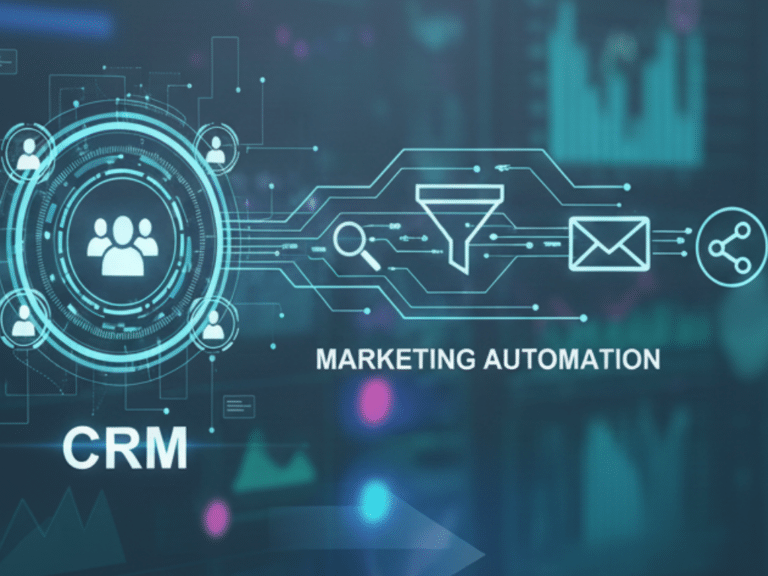
No, marketing automation and Customer Relationship Management (CRM) are not the same, but they are complementary. Marketing automation focuses on streamlining marketing tasks and campaign execution, while CRM systems help manage customer interactions, sales pipelines, and service. When integrated, they provide a seamless experience from lead generation to sales and ongoing customer engagement.
Can marketing automation platforms track customer behavior?
Yes, marketing automation platforms can track various aspects of customer behavior. They monitor interactions such as email opens, clicks, website visits, form submissions, and engagement with social media and other digital touchpoints. This data helps businesses better understand the buyer’s journey and tailor campaigns to meet individual needs and preferences.
Do I need a full-time team to manage marketing automation?
While having dedicated personnel can optimize the use of marketing automation, many small to medium-sized businesses manage with a part-time team. Automation reduces the workload by handling repetitive tasks, but strategy development, content creation, and performance analysis still require human involvement. Depending on your goals, you can expand or adjust your team when needed.
How do I measure the ROI of marketing automation?
Measure the ROI of marketing automation by tracking key performance indicators such as lead conversion rates, sales growth, and customer engagement. Also consider cost savings from streamlined processes and the revenue increase from improved targeting and nurturing. Use your platform’s built-in analytics to assess performance, make data-driven decisions, and adjust strategies over time.
Final Thoughts
Marketing automation platforms have truly changed the way marketing teams handle complex campaigns. These tools take care of repetitive tasks, giving marketers more time and space to focus on what truly counts—building stronger, more meaningful connections with their audience. Instead of juggling multiple tools and manual processes, automation keeps everything organized and on track. This simplicity helps teams work smarter, not harder.
The power of marketing automation lies in its ability to deliver the right message to the right person at the right time. With features like behavior-based triggers and personalized content, campaigns become more relevant and engaging. This means better results without the usual headaches of managing complicated workflows. Plus, having real-time data at your fingertips lets you adjust strategies quickly, making your marketing efforts even more effective.
At the heart of it all, marketing automation is about balance. It helps maintain consistency while keeping the human touch alive in every interaction. When used thoughtfully, automation doesn’t replace personal connections—it enhances them. This balance leads to stronger customer relationships and a smoother path from lead generation to loyal customers.
If you’re ready to unlock the full potential of marketing automation, nerDigital provides a powerful all-in-one growth platform designed with smart automation tools. It makes managing campaigns, nurturing leads, and running multi-channel marketing simple—all from a single, easy-to-use dashboard. Explore nerDigital today and discover how it can help your marketing team save time, stay organized, and create smarter campaigns that deliver real, measurable results.
Get started with nerDigital now and experience the difference in your marketing.